
Stick packs are changing how we package powders and liquids—but what exactly are they, and why are so many brands switching to them?
A stick pack is a slim, tube-shaped packaging format designed for single-serve products like powders, gels, or liquids. It’s compact, easy to open, and perfect for on-the-go use.
Stick packs might look simple, but there’s a lot more to them than meets the eye. Let me walk you through everything I’ve learned about them while running a stick pack machine factory.
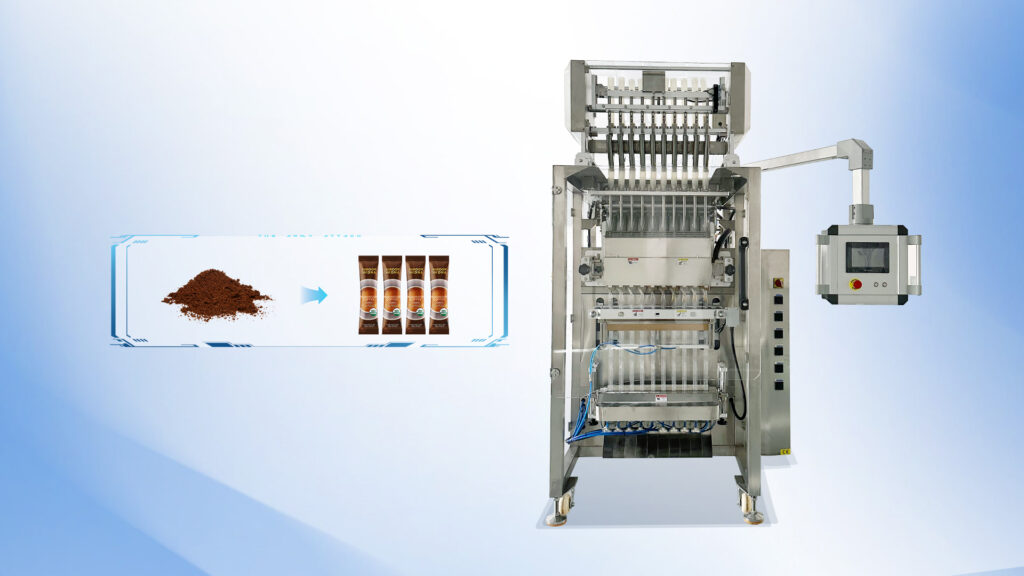
Why is the shape of a stick pack so special?
Many assume the shape is just for style. Actually, it’s built for functionality—and for saving you money.
The shape of a stick pack reduces packaging waste, saves space, and is more convenient for consumers. It also costs less to produce compared to other formats like sachets or pouches.
How does the shape impact efficiency?
- Slim profile: Less film is needed, which cuts costs.
- Easy fill and seal: Vertical packaging machines like ours at Hannpro are optimized for this shape.
- Shelf appeal: It looks modern and tidy on retail shelves.
| Feature | Stick Pack | Traditional Sachet |
|---|---|---|
| Film Usage | Low | High |
| Filling Speed | Fast | Medium |
| Consumer Appeal | High | Medium |
| Portability | Excellent | Fair |
This design wasn’t made by accident. Brands prefer stick packs because they cut down on waste and increase line speed—both key in today’s fast-moving market.
What products are best for stick packs?
Most people think of sugar or coffee, but the list goes far beyond that.
Stick packs are ideal for powders, gels, and even some liquids—anything that benefits from precise dosing and portability.
Which industries use stick packs most?
- Health supplements: Protein powders, collagen, electrolytes
- Pharmaceuticals: Single-dose OTC meds or vitamins
- Food & Beverage: Instant coffee, drink mixes, honey
- Beauty: Creams, serums in small, single-use amounts
| Product Type | Stick Pack Friendly? |
|---|---|
| Powdered drink mixes | ✅ |
| Liquid energy shots | ✅ |
| Creamy sauces | ⚠️ (needs careful sealing) |
| Granules like salt or sugar | ✅ |
| Sticky materials like honey | ✅ |
Stick packs thrive when users need to take a product with them, or when exact serving sizes matter. That’s why we see so many energy and wellness brands using them.
How are stick packs made?
Some people think it’s just film and a bit of heat. In reality, there’s a lot more happening inside that machine.
Stick packs are formed, filled, and sealed using vertical form fill seal (VFFS) machines, usually automated to maximize speed and consistency.
How does the machine work?
- Step 1: Film unwinds from a roll and forms a tube
- Step 2: Product drops into the tube at the right dose
- Step 3: Vertical seals and horizontal cuts separate each stick
| Machine Process | Description |
|---|---|
| Forming | Rolls the flat film into a tube |
| Filling | Dispenses product using auger or pump |
| Sealing | Heat seals sides and top/bottom |
| Cutting | Divides into individual units |
At Hannpro, we build these machines with both speed and flexibility in mind. Whether your product is powder or liquid, we can match it with the right dosing system.
What materials are used in stick packs?
People ask if they’re recyclable, or safe for food. The answer depends on the material.
Stick packs use multi-layer laminated films that provide barrier protection against moisture, air, and light. These films are often made from PET, aluminum foil, and PE.
How do materials affect performance?
- PET: Offers strength and printability
- Foil: Acts as a barrier against light and oxygen
- PE: Provides heat sealability
| Film Type | Barrier Quality | Recyclability | Common Use |
|---|---|---|---|
| PET/AL/PE | Excellent | Low | Coffee, supplements |
| PET/PE | Good | Medium | Snacks, sweeteners |
| Paper/PE | Fair | High | Eco-friendly brands |
Different products require different barriers. That’s why we help our customers test and match materials before production.
Are stick packs cost-effective?
Yes—but only when done right.
Stick packs reduce overall material usage, lower shipping weight, and boost filling line efficiency, making them a very cost-effective solution long term.
What adds to or reduces cost?
- Film waste: Stick packs use less than flat pouches
- Machine speed: Faster machines mean lower cost per unit
- Shipping savings: Lighter and more compact
| Cost Factor | Stick Pack | Sachet |
|---|---|---|
| Film Cost | Lower | Higher |
| Labor | Lower (automated) | Medium |
| Shipping | Cheaper | Bulkier |
I’ve seen customers drop packaging costs by 30% just by switching to stick packs. The upfront machine cost pays off fast if volumes are high enough.
Why are stick packs good for branding?
Some say it’s just another wrapper. I say it’s a marketing tool in disguise.
Stick packs offer a long vertical canvas that’s perfect for logo placement, color blocking, and eye-catching design, especially in crowded markets.
What design benefits do they offer?
- Long, sleek shape: Great for vertical brand elements
- High visibility: Stands tall on shelf or in display boxes
- Easy to handle: Consumers associate it with ease and style
| Branding Element | Stick Pack Advantage |
|---|---|
| Logo Placement | Vertical layout supports long logos |
| Shelf Visibility | High due to upright display |
| User Perception | Modern, minimal, high-tech |
We’ve worked with brands that completely rebranded around the stick pack format—and saw sales jump just because the packaging felt more premium.
Can stick packs be eco-friendly?
That’s the big question these days. Short answer: yes, with the right setup.
Eco-friendly stick packs are possible using recyclable films or biodegradable materials, though they may require specialized sealing and storage conditions.
What’s happening in sustainable stick packs?
- Mono-material films: Easier to recycle but harder to seal
- Compostable layers: Break down in industrial compost
- Reduced film usage: Less waste by design
| Option | Pros | Cons |
|---|---|---|
| Mono-material PE | Recyclable | Lower barrier |
| Paper-based film | Compostable | Lower strength |
| Foil-free film | Light | Not suitable for all products |
We’re currently testing recyclable films on several of our Hannpro machines to help customers move toward sustainability without sacrificing performance.
Conclusion
Stick packs are simple, smart, and powerful—they’re shaping the future of single-serve packaging.